
By Jessica Perry MS, RD
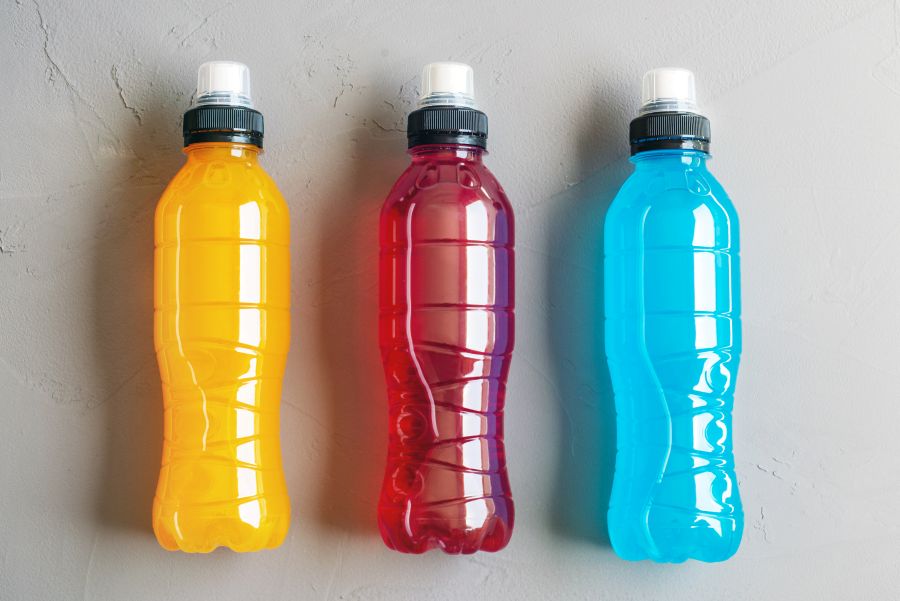
Walk through any grocery store or gym and you’ll see electrolyte beverages everywhere. These products come as powders to stir into water, tablets to drop in fancy water bottles, or ready-to-drink brightly colored carbonated beverages.
Labels claim they are essential for hydration, recovery, and even daily wellness. Electrolyte beverages have become especially popular among athletes, travelers, and wellness-focused consumers.
Despite the marketing, the truth is that most healthy adults do not actually need electrolyte supplements every day.
What are electrolytes?
Electrolytes are minerals that help regulate important functions in the body, including fluid balance, muscle contractions, and nerve function. Sodium, potassium, magnesium, calcium, and chloride are all electrolytes, and we naturally lose them through sweat, urine, and feces.
The good news is that our bodies are generally very good at replenishing these losses when we eat balanced meals and drink enough fluids throughout the day.
Which foods contain electrolytes?
Many common foods we eat everyday contain electrolytes. Fruits and vegetables like bananas, potatoes, tomatoes, and leafy greens contain potassium, while dairy products like milk or yogurt provide calcium. Whole grains, nuts, and seeds contribute magnesium, and sodium are commonly found in everyday foods such as soup, bread, and cheese.
Meals and snacks built around these foods provide the electrolytes most people need for overall health and wellness.
When are electrolyte beverages helpful?
There are certain situations, though, where electrolyte beverages are recommended to maintain hydration. Endurance athletes, heavy sweaters, individuals working in extreme heat, or people experiencing illness with vomiting or diarrhea experience higher fluid and electrolyte losses. In these cases, electrolyte beverages can help support rehydration more effectively than water alone.
For the average person, though, electrolyte drinks are often unnecessary. Many products contain large amounts of sodium, added sugar, artificial sweeteners, or other additives that may not provide additional health benefits.
Electrolyte beverages were originally designed specifically for athletes with high sweat losses, but smart marketing and prominent advertisements have made them appear necessary for general health and well-being, even for healthy adults who engage in casual exercise.
While electrolyte in beverages may not provide increased health benefits for the average person, some lower-sugar options may encourage people to drink more fluids overall.
How to boost your hyrdation
Flavor matters, and some find these easier to drink than plain water. If you choose an electrolyte beverage, look beyond the flashy label and read what is really inside. Pick a product that matches your activity level and hydration needs. Added sugar, sodium, and caffeine can add up quickly throughout the day, and artificial ingredients are often hidden in the fine print.
More electrolytes are not always better, and for many healthy adults, water remains the best choice for most day-to-day needs, especially when paired with balanced meals and snacks throughout the day.
Summary
Bottom line, electrolyte beverages can have a place, particularly during intense exercise, heat exposure, or illness. But for everyday hydration, most people just need to sip plain water and eat balanced nutritious foods.
References
National Research Council (US) Subcommittee on the Tenth Edition of the Recommended Dietary Allowances. Recommended Dietary Allowances: 10th Edition. Washington (DC): National Academies Press (US); 1989. 11, Water and Electrolytes. Available from: https://www.ncbi.nlm.nih.gov/books/NBK234935/
Boyd-Shiwarski C, Ray E, Subramanian H, Zharichenko N, Monroe A, Mahajan A. The Impact of a Commercial Electrolyte Beverage on the Hydration Status of Active Men and Women. Nutrients. 2025 Feb 5;17(3):585. doi: 10.3390/nu17030585. PMID: 39940443; PMCID: PMC11820625.
Millard-Stafford M, Snow TK, Jones ML, Suh H. The Beverage Hydration Index: Influence of Electrolytes, Carbohydrate and Protein. Nutrients. 2021 Aug 25;13(9):2933. doi: 10.3390/nu13092933. PMID: 34578811; PMCID: PMC8465972.
Muñoz-Urtubia N, Vega-Muñoz A, Estrada-Muñoz C, Salazar-Sepúlveda G, Contreras-Barraza N, Castillo D. Healthy Behavior and Sports Drinks: A Systematic Review. Nutrients. 2023 Jun 27;15(13):2915. doi: 10.3390/nu15132915. PMID: 37447239; PMCID: PMC10346316.
Borra V, De Brier N, Berry DC, Zideman D, Singletary E, De Buck E; International Liaison Committee on Resuscitation First Aid Task Force. Oral Rehydration Beverages for Treating Exercise-Associated Dehydration: A Systematic Review, Part I. Carbohydrate-Electrolyte Solutions. J Athl Train. 2025 Jan 1;60(1):34-54. doi: 10.4085/1062-6050-0682.22. PMID: 38116803; PMCID: PMC11789749.